2025: A Year of Growth, Belonging, and Opportunity at Roots Management Group
 Christine Bachman : Dec 30, 2025 7:45:43 AM
As 2025 comes to a close, it’s clear this was a year defined not just by growth, but by meaning.

.svg)



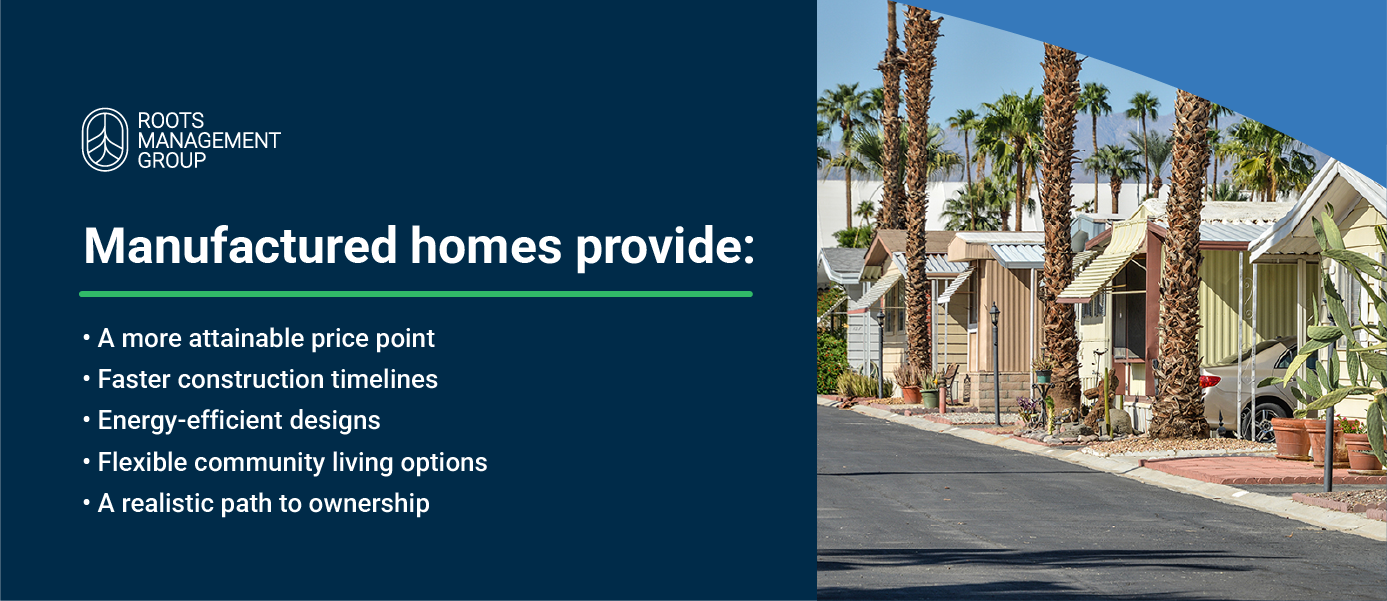

Each February, Black History Month invites us to reflect on the progress our country has made, and the work that remains, especially when it comes to access, opportunity, and stability.
One of the most powerful (and often overlooked) parts of that story is housing and in particular manufactured housing.
For decades, access to safe and affordable housing was not equally available to all Americans.
Discriminatory practices like redlining and restrictive lending policies created long-term barriers to homeownership, particularly for Black families.
These inequities helped shape federal housing reform and ultimately led to the creation of the U.S. Department of Housing and Urban Development (HUD) in 1965, with a mission to promote fair housing and strengthen communities across the nation.
Around that same time, another important shift was happening in the housing industry: the evolution of manufactured homes.
Before national standards existed, factory-built homes varied widely in quality and safety. In 1976, HUD introduced the HUD Code, a federal building standard that regulates the design, construction, strength, durability, and energy efficiency of manufactured homes.
This moment marked a turning point. Manufactured housing became a legitimate, regulated path to homeownership, offering a more affordable option without sacrificing quality. Over time, these homes continued to improve, incorporating modern layouts, upgraded materials, and energy-efficient features that rival site-built construction.
Today, manufactured homes are one of the few remaining attainable housing options for families seeking stability, pride of ownership, and a place to call their own.
The history behind HUD and housing reform reminds us that housing has always been more than just shelter, it’s a foundation for opportunity. Homeownership plays a key role in building financial security, creating roots in a community, and passing stability from one generation to the next.
Yet affordability remains one of the biggest challenges facing American families today. Rising construction costs, limited inventory, and increasing home prices have made traditional homeownership out of reach for many. That’s where manufactured housing continues to play a critical role.
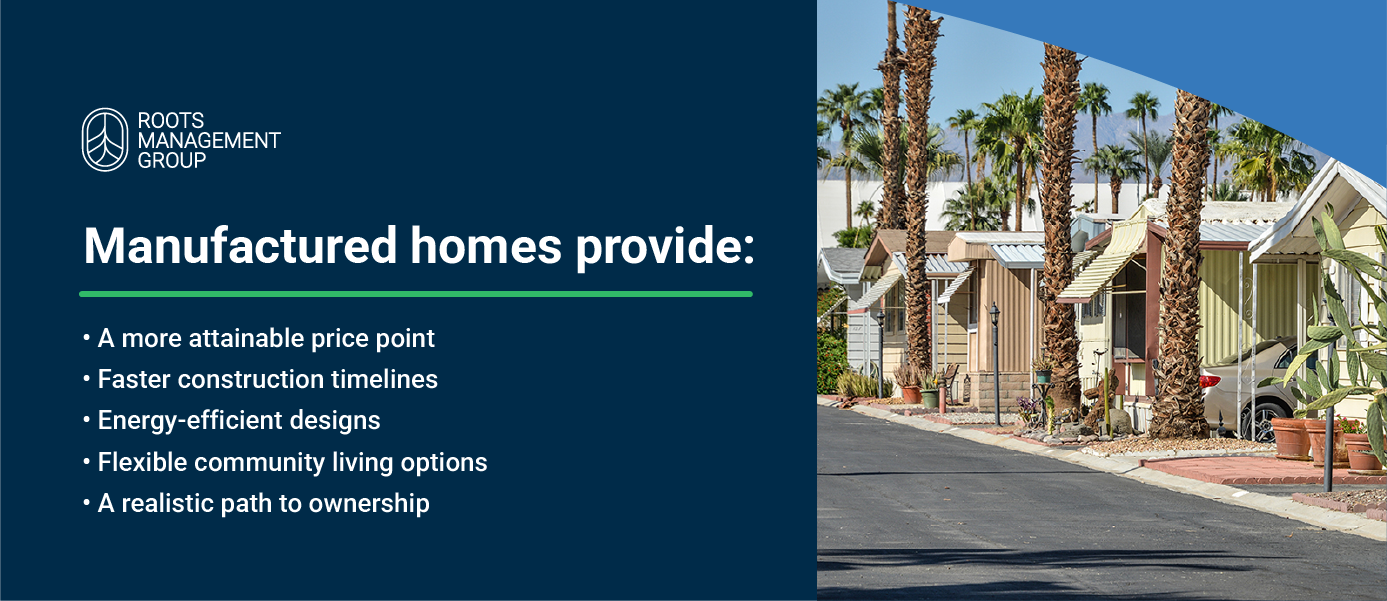
These benefits align directly with the mission of Roots Management Group: to create and manage communities that offer attainable housing while fostering a sense of belonging, safety, and pride.
Black History Month is a time to honor resilience, innovation, and progress, and housing has been part of that journey. From the struggle for fair lending practices to the passage of civil rights legislation, access to housing has been deeply connected to broader efforts for equality and economic mobility.
Understanding this history helps us appreciate how far housing policy and construction standards have come, and why today’s focus on attainable housing is so important. Manufactured housing is not a step back; it is a modern solution to a modern challenge.
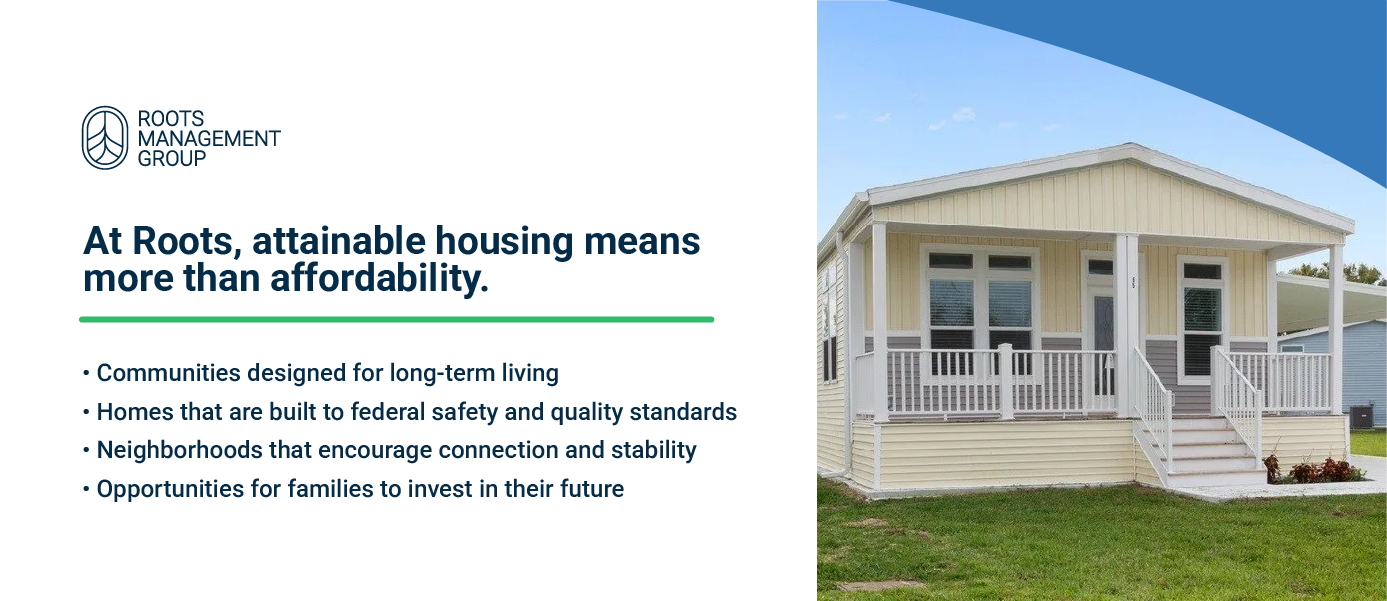
By providing high-quality manufactured homes in thoughtfully managed communities, Roots supports the same principles HUD set out to achieve decades ago: fair access, strong neighborhoods, and lasting opportunity.
History shows us that housing policy, innovation, and social progress are connected.
Black History Month gives us an opportunity to reflect on how past challenges shaped today’s solutions, and how modern manufactured housing continues to be part of that story.
As the housing landscape evolves, one truth remains: attainable housing matters.
It matters for families seeking their first home. It matters for seniors looking for stability. It matters for communities working to grow stronger together.
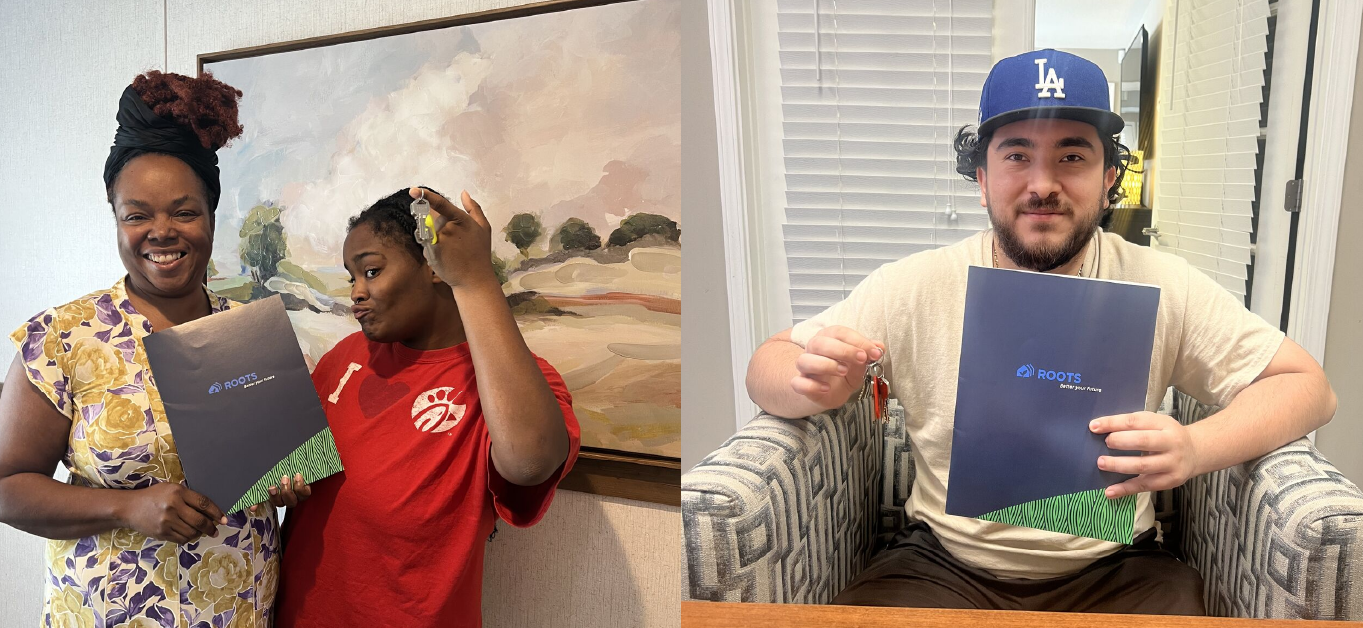
At Roots Management Group, we believe everyone deserves a place to plant roots.
Christine Bachman : Dec 30, 2025 7:45:43 AM
As 2025 comes to a close, it’s clear this was a year defined not just by growth, but by meaning.
Christine Bachman : Dec 20, 2023 1:23:48 PM
Are you searching for the perfect home that seamlessly blends affordability, value, and a supportive community? AtRoots Management Group, the...

Christine Bachman : Jul 30, 2025 10:00:00 AM